





The ultimate guide to lighting a fire:
techniques, tips and safety
Starting a fire isn't rocket science, but there are a number of rules and techniques to follow to ensure a clean, environmentally friendly and completely safe result - whether you're out in the wilderness, at home in front of the fireplace or, for the more adventurous among us, in a survival situation.
In this article you'll find our tips on how to successfully light a fire, regardless of whether it's a campfire, a chimney fire or a wood-burning stove. We'll also look at specific techniques for making a fire with a can or without a lighter, and the rules you need to follow to avoid fire hazards and neighbourhood disputes.
Starting a fire: the basics
Starting a fire is both an art and a science. Here are the essential steps you need to follow to successfully start a fire in any situation.
Preparing different types of fuel is essential for lighting a fire efficiently and keeping it burning for a long time, because each type of fuel ignites at different temperatures. Lighter fuels ignite quickly, allowing intermediate fuels to ignite, which in turn generate enough heat to ignite the main fuels, ensuring a long-lasting fire.
Prepare your equipment
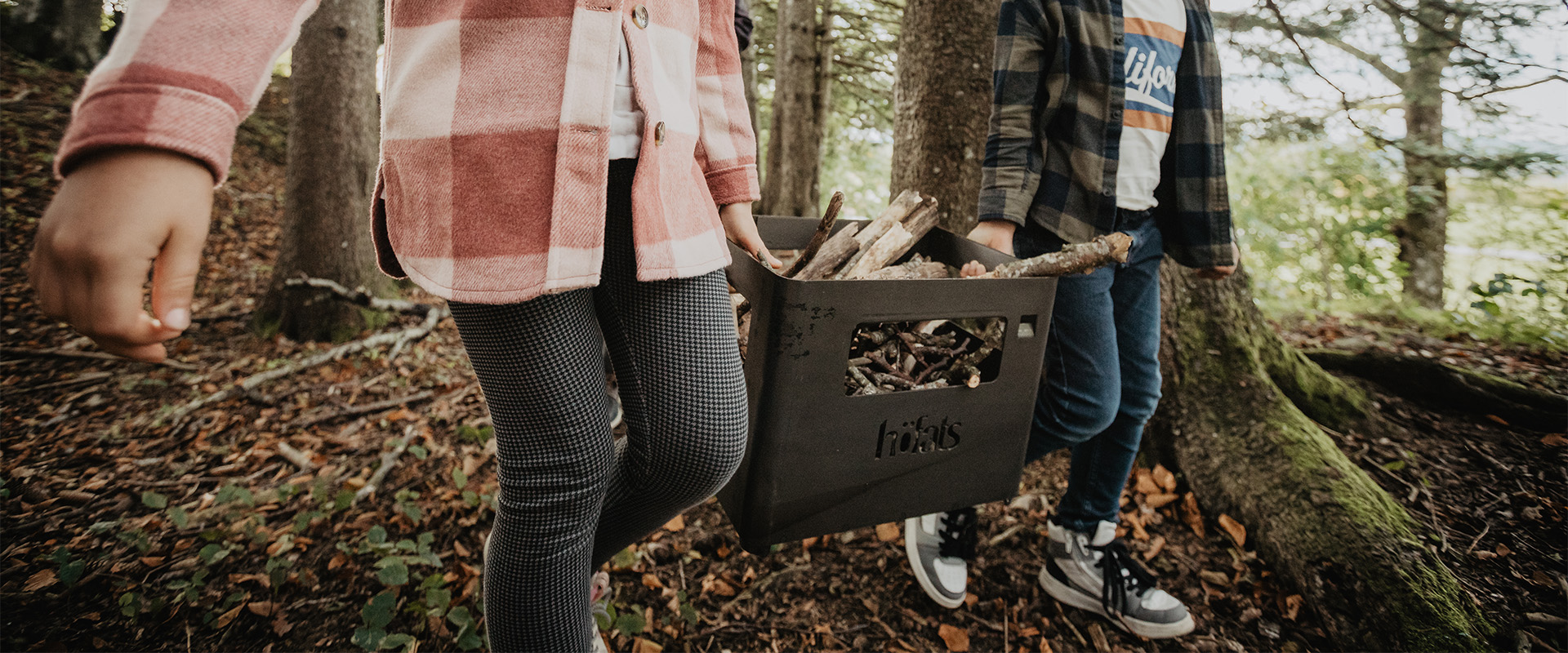
To start a fire, you'll need three key materials: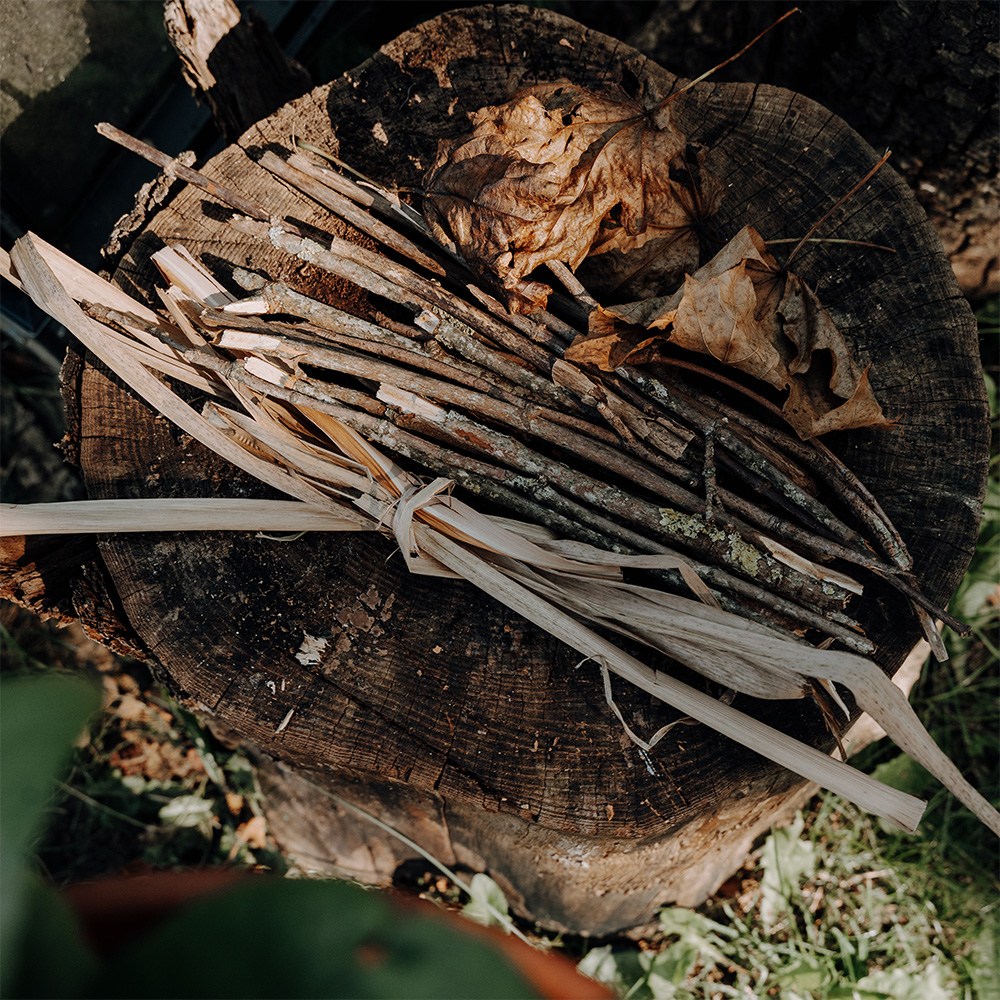
Light fuel
Kindling, twigs, dry leaves, paper
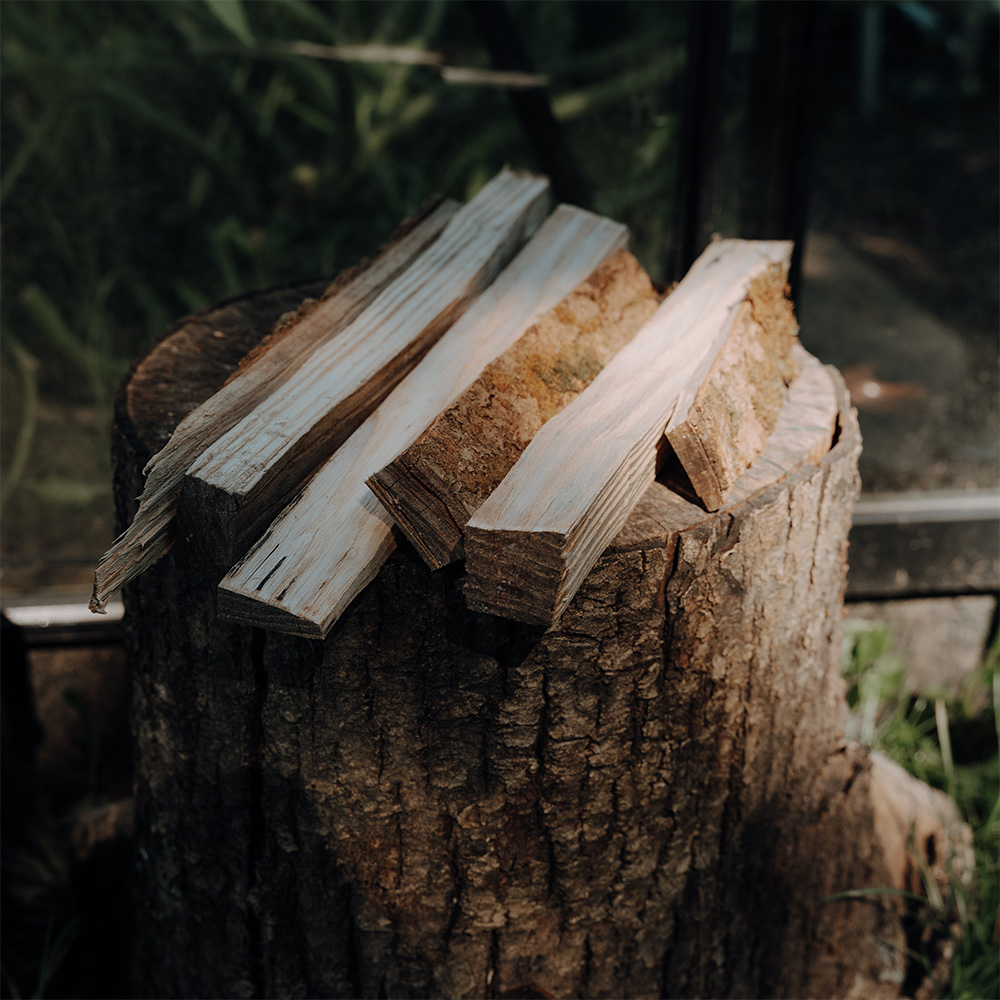
Intermediate fuel
Thicker branches, medium-sized pieces of wood.
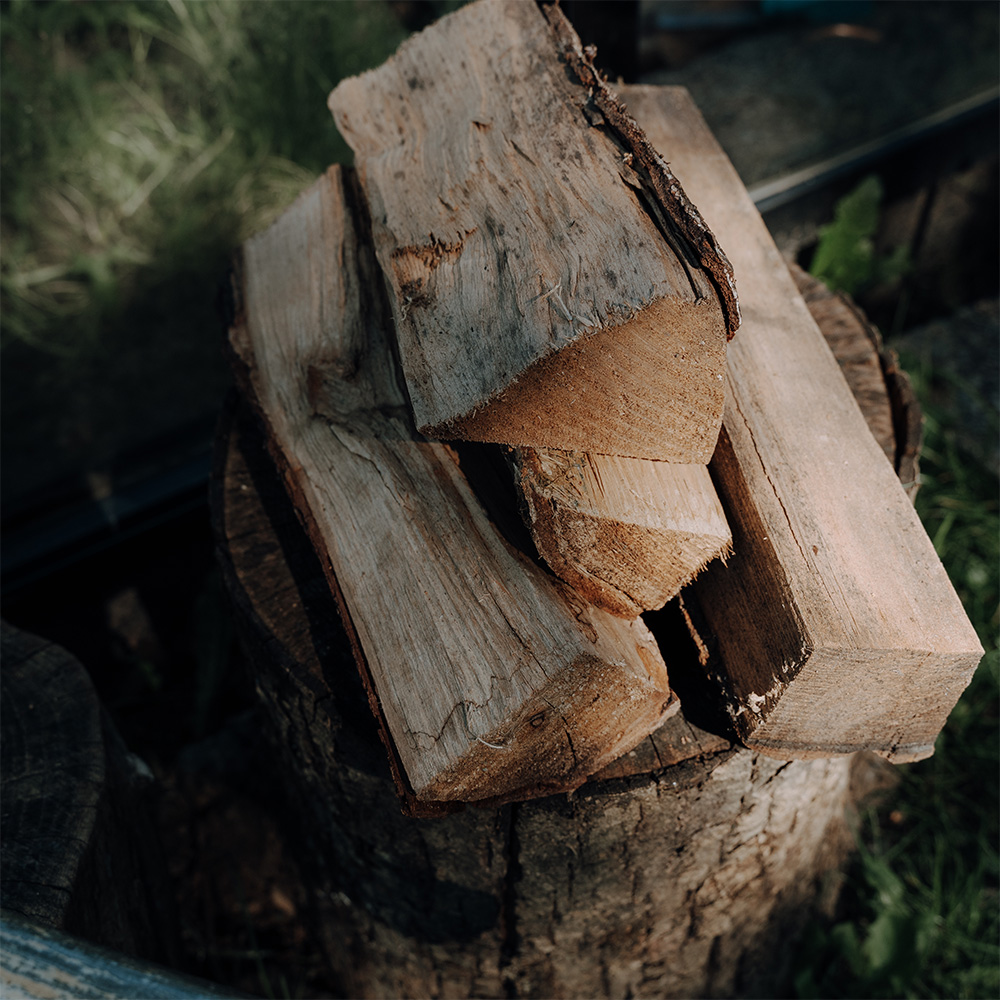
Main fuel
Logs, large pieces of wood

How do I start a fire efficiently?
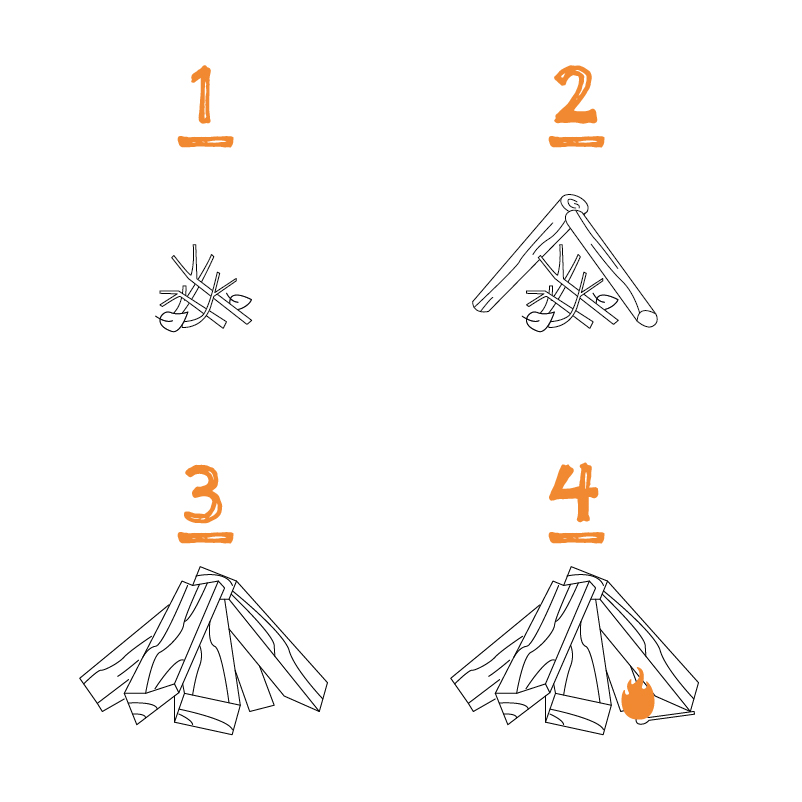
Methode 1: Starting a fire from the bottom up
This has been the most popular method for decades. Start by gathering small pieces of wood such as twigs, dry leaves or crumpled paper. These materials ignite quickly and provide a solid base for the fire.
Method 2: Starting a fire from the top down
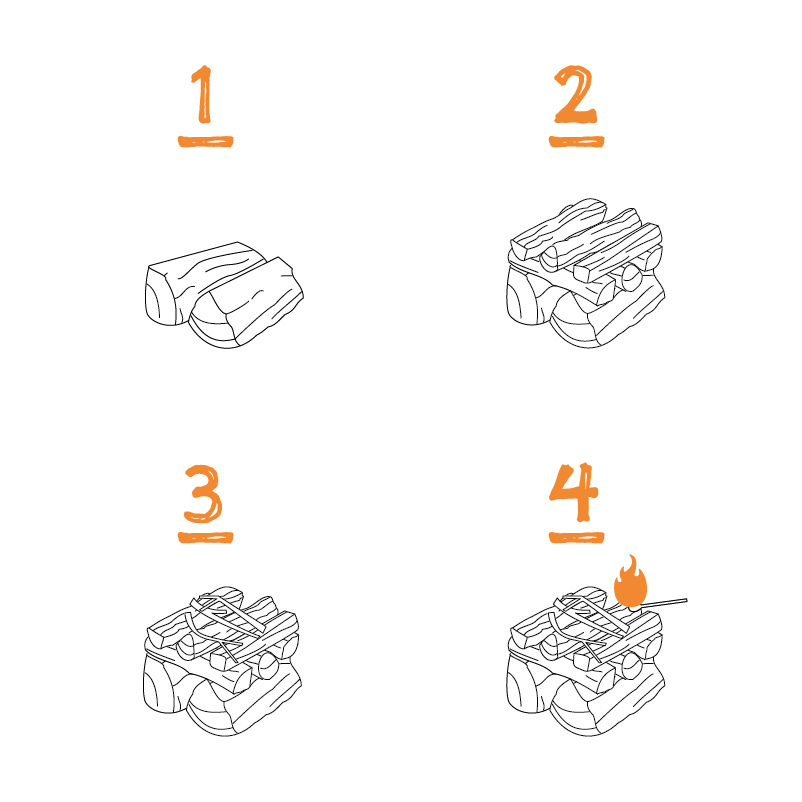
Lighting a fire from top to bottom is an innovative and effective method of reducing smoke and particulates.
By placing the large logs first, followed by the kindling and firelighter, the gases emitted by the wood below are consumed by the flames, improving combustion. As well as being cleaner, this technique produces more heat and reduces indoor and outdoor pollution. The use of special firelighters is recommended for greater efficiency if you choose this method of starting a fire.
Build a smokeless fire
To build a smokeless fire, follow these tips:
- Start with dry wood, as moisture is the main cause of smoke. Choose hardwoods like oak or maple, as these burn cleaner than soft woods.
- Use the top-down method of ignition: place the large logs at the bottom, with the kindling and small wood on top. This technique ensures that the gases produced by the fire burn more completely, resulting in less smoke.
- Make sure that the fire has good air circulation by not packing the fuel too tightly, which will facilitate efficient and clean combustion. If you opt for this technique, your neighbours will thank you!
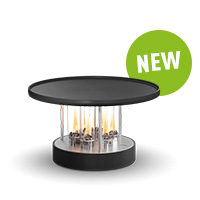
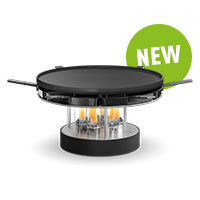
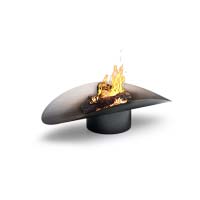
If you are looking for a guaranteed smokeless fire experience, we recommend the höfats MOON fire pit. Its revolutionary wood gasification technology ensures excellent air circulation and double combustion. The result is a unique sea of flames that, when fuelled with pellets, guarantees two hours of uninterrupted fire with no smoke or refuelling.
DISCOVER MOREUsing firelighters to start a fire
Chemical firelighters
Chemical firelighters are products designed to make it easier to start a fire quickly. Available in cubes, sticks or sachets, they often contain flammable substances such as kerosene, paraffin or other petroleum compounds. Examples of the types of products available include: kerosene cubes, firelighter gel and liquid firelighters.
Chemical firelighters make it quick and easy to light a fire, even in damp weather. They are easy to carry and store. However, they release harmful substances during combustion, are not biodegradable and are potentially hazardous to the environment. They can also give off an unpleasant odour.
Despite their effectiveness, it's important to use them with care because of the risks to health and the environment. We recommend using natural firelighters wherever possible.
Natural firelighters
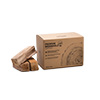
Natural firelighters are materials that ignite easily and help to start a fire in an environmentally responsible way. Here are some examples:
- Wood wool: Wood shavings with natural resin
- Oily wood: Soft wood that ignites quickly.
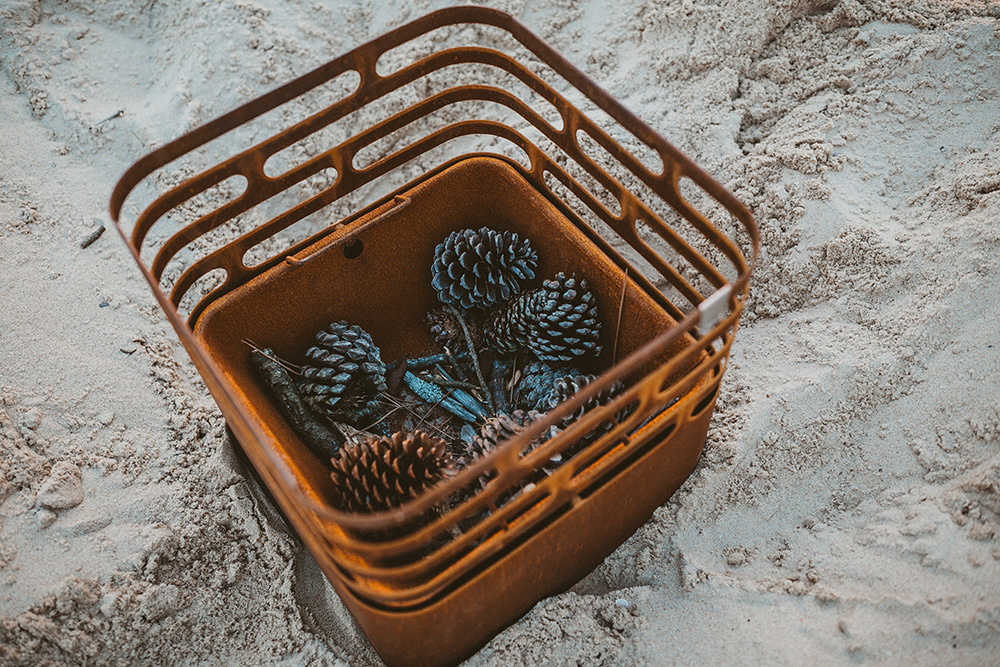
- Pine cones: Rich in resin
- Beeswax: Can be applied to paper or cotton.
Natural firelighters are the key to starting a fire in an ecological and efficient way. Using materials such as oily wood, pine cones, beeswax or even wax-soaked cotton balls will ensure that the fire catches quickly and without chemicals.
What's the best natural firelighter?
Oily wood, found in the stumps of certain coniferous trees, is particularly effective thanks to its high content of flammable resin. Pine cones, also rich in resin, ignite easily and burn for a long time, making it easier to light thicker wood.
Beeswax, applied to paper or cotton balls, is another natural option for a clean, long-lasting firelighter. These non-toxic, environmentally friendly materials offer a safe and healthy alternative to chemical firelighters, while ensuring efficient combustion.
Using natural firelighters means choosing a simple, ecological and reliable way to start a fire!
How to light a fire in the great outdoors?
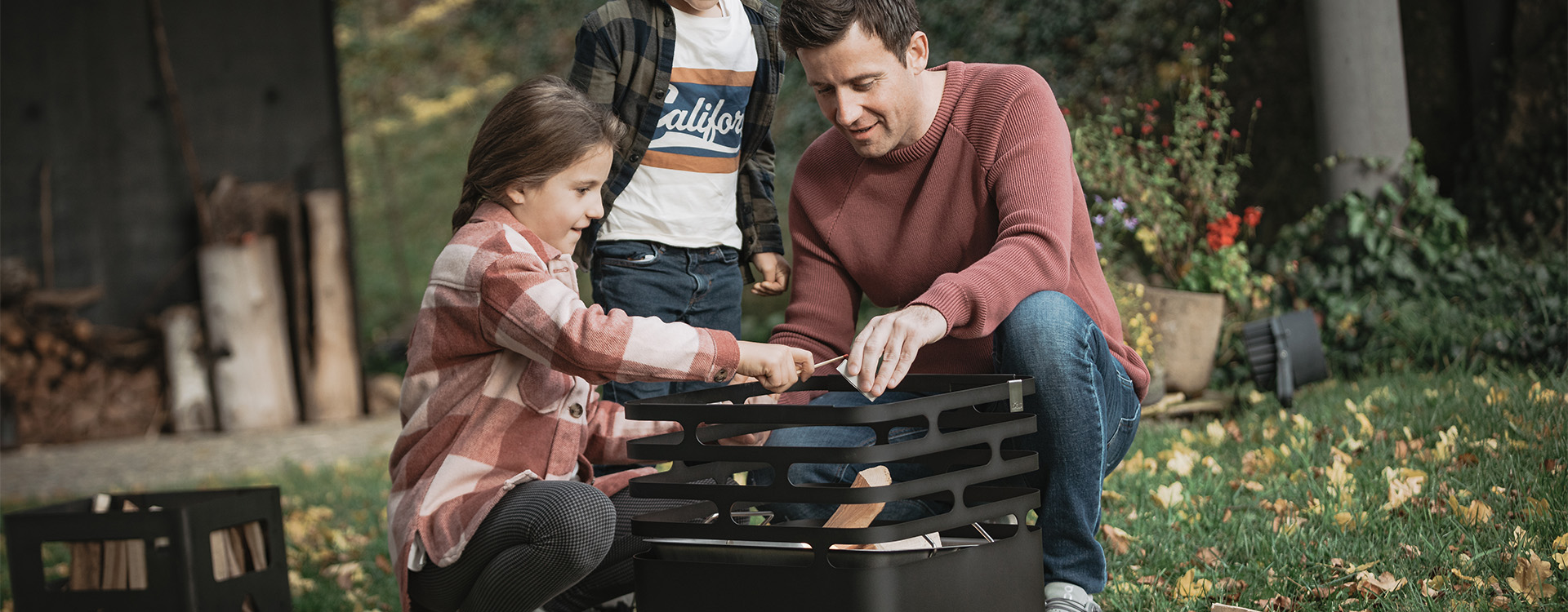
Starting an outdoor fire is an essential skill for campers and outdoor enthusiasts. It requires good preparation and basic knowledge. You need to choose a safe location, gather different types of fuel (firelighters, kindling, large logs) and use appropriate lighting techniques such as tipi or pyramid construction. By following these steps and taking fire prevention precautions, you can create an efficient and safe fire for cooking, warming up or simply enjoying the natural surroundings!
Tips for building a campfire
- Choose the right location:Choose an open spot away from low-hanging branches and flammable materials.
- Prepare the ground:Dig a small trench or use a stone ring to contain the fire
- Lay out the wood: Use the tipi or hut method. The tipi method is to lay the branches in a cone shape, while the hut method is to lay the branches in a square around the firelighter.
- Lighting: Use a natural firelighter to light the twigs. Gradually add larger pieces of wood.
Am I allowed to build fires in the countryside?
Lighting fires in the countryside is strictly regulated to prevent fires. Prefectural orders may restrict or prohibit fires during periods of drought or high risk. Campfires and barbecues are often prohibited in national parks and nature reserves. It is important to check with the local authorities before lighting a fire and always follow safety instructions or face stiff fines.
How to build a fire without a lighter
In a survival situation, knowing how to light a fire without a lighter can save lives. Making a fire without a lighter is possible when you're out in the wilderness and/or in a survival situation. Using stones or a can are two options. If you're planning an adventure in far-off lands, we recommend that you practice making fire without a lighter before your travels.
Making a fire with a can
Materials:A can of soda, a piece of chocolate or toothpaste.
Method: Polish the bottom of the can with the chocolate or toothpaste until it becomes reflective. Then place the bottom of the can so that the sunlight falls on a spot of paper or kindling. Making a fire with a can is easy, provided the sun is shining, of course.
Making a fire with stones
Materials: Two stones, preferably flint
Method: Strike the stones together to create sparks. The sparks should land on a nest of dry twigs. This is the oldest method and can be used to start a survival fire - but it's not necessarily the easiest to do without training.
Lighting a fire at home: tips and techniques
How to light a chimney fire
Lighting a chimney fire requires a few precautions to ensure a safe and efficient start. Start by openingthe draught to ensure good air circulation. Clean the firebox of ashes to optimize combustion. Place firelighters or crumpled newspaper in the center of the firebox. Add small pieces of dry wood or twigs on top, forming an airy structure to promote oxygenation. Light the paper or firelighters and let them set before gradually adding larger logs.
Be careful not to overload the chimney to avoid smothering the fire. Also, make sure that the logs you use are thoroughly dry to avoid excessive smoke and creosote build-up, thus reducing the risk of chimney fires.
Finally, always keep an eye on your fire, and use fire screens to prevent flying sparks if your chimney doesn't have a protective glass pane. These simple steps will ensure a safe and enjoyable chimney fire.
Tips for putting out a chimney fire before going to bed
To properly extinguish a chimney fire before going to bed, follow these safety tips. First, stop adding wood at least an hour before bedtime to allow the fire to burn down. Spread out the embers to accelerate their cooling. Use a poker to disperse them and reduce their intensity. Then cover the embers with ashes to smother them. Check that the fireplace is no longer giving off significant heat before closing the damper. Make sure the fire screen is in place to prevent any splashes. Finally, never leave the fire unattended to prevent the risk of fire.
How to light a wood stove fire
To properly light a wood-burning stove, follow these steps. First, open the air vents to maximise oxygen supply. Place firelighters or crumpled newspaper in the centre of the stove. Add small twigs or pieces of dry wood and arrange them loosely. Light the paper or firelighters and allow them to set. When the small twigs have ignited, gradually add larger logs without overloading the stove. Make sure you use dry wood for optimum combustion and less smoke. Finally, once the fire is well established, adjust the air supply to maintain efficient combustion. Starting a fire in a wood-burning stove is easy, especially as most modern appliances make it simple.