


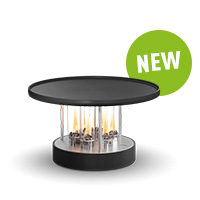
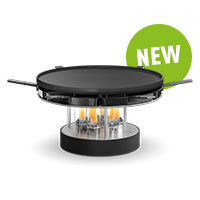





Grilling on the plancha over the fire
Whilst some barbecue enthusiasts have been grilling on the plancha for some time now, for many of us it is still new territory. Plancha - what is this new barbecue trend, what are the benefits and what should you look out for?
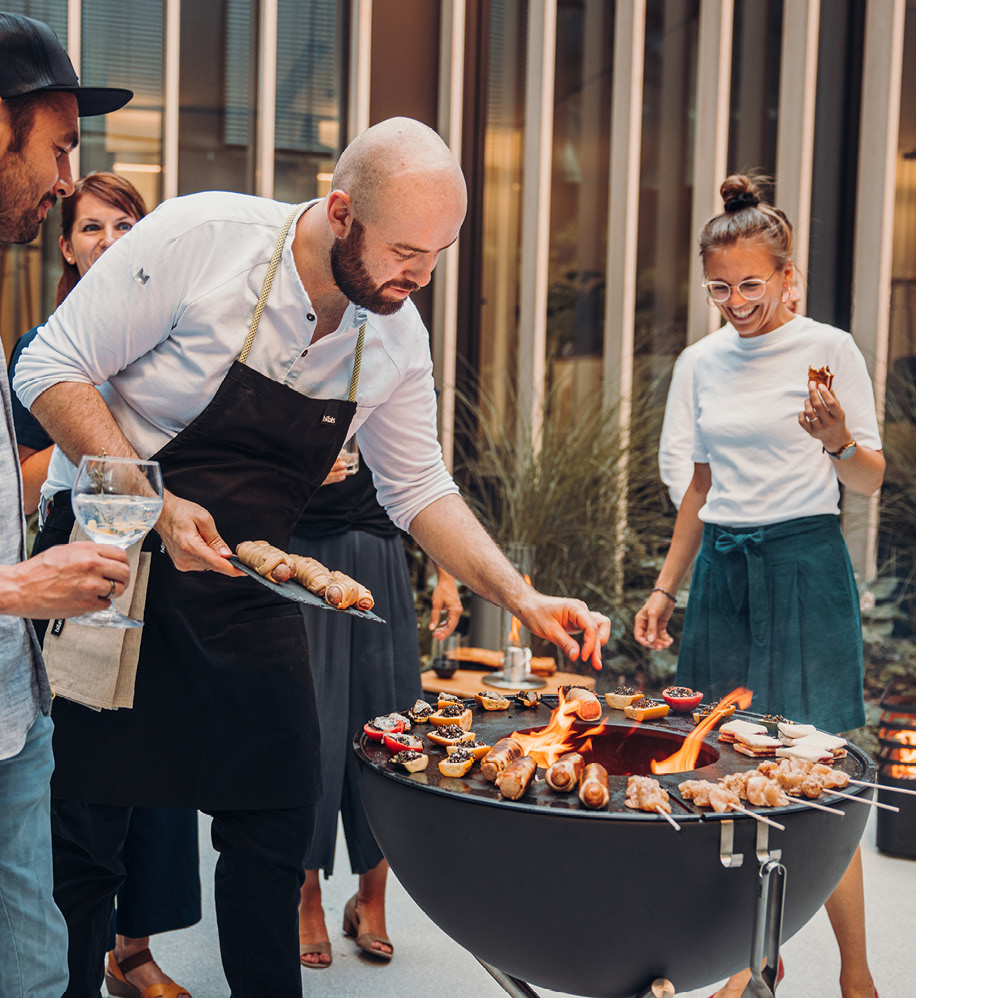
What is a plancha?
It would be premature to dismiss the plancha as a newfangled trend, as grilling on a cast-iron plate has a long tradition in Spain and has become increasingly popular in the rest of Europe in recent years.
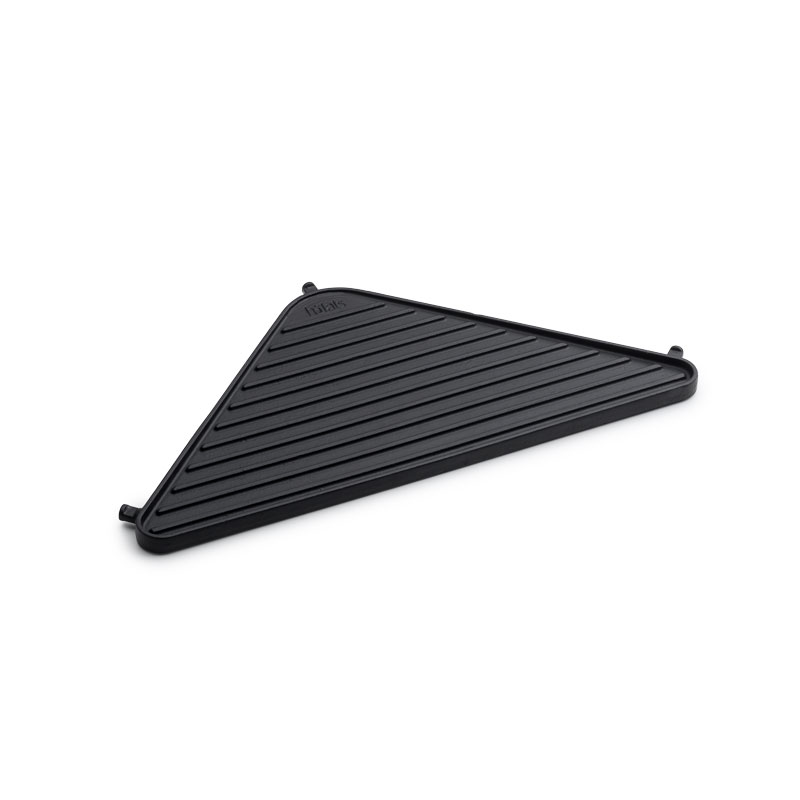
The word plancha can be translated from Spanish as ‚iron, pan or plate‘. A plancha is a flat grill plate, usually made of cast iron, that is placed directly over the fire. Thanks to its continuous surface, it distributes the heat evenly and gently at temperatures between 280°C and 300°C, making it the best choice for indirect grilling at high temperatures.
The benefits of plancha grilling at a glance:
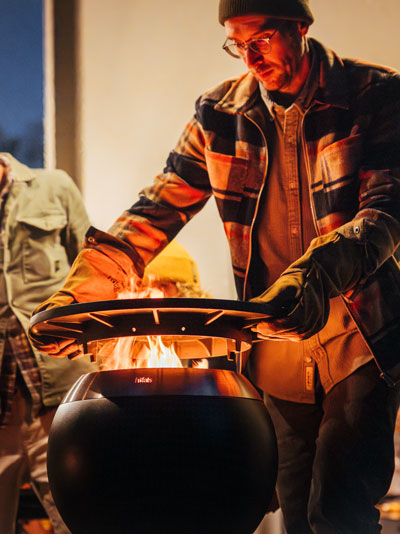
Immediately ready to grill
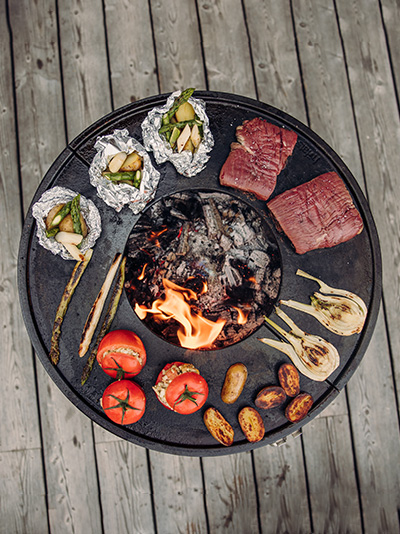
Even heat distribution
Indirect heat (up to 300°C) is optimally stored in the grill plate and food is cooked evenly on all sides without burning or drying out.
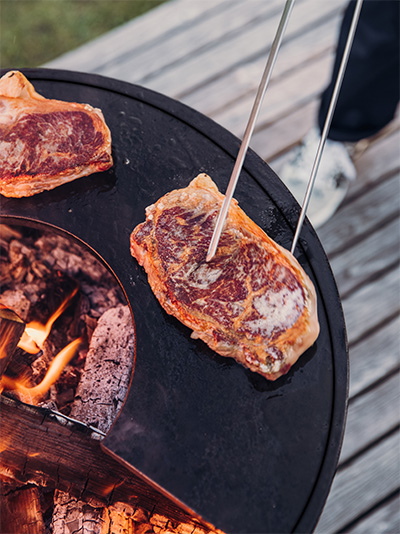
Healthy grilling with less fat
Thanks to the high temperatures and even heat distribution, the escaping liquid evaporates immediately and forms a protective layer between the plancha and the food. The result? You need little or no fat, the food practically floats on the plate, crispy on the outside and juicy and tender on the inside.
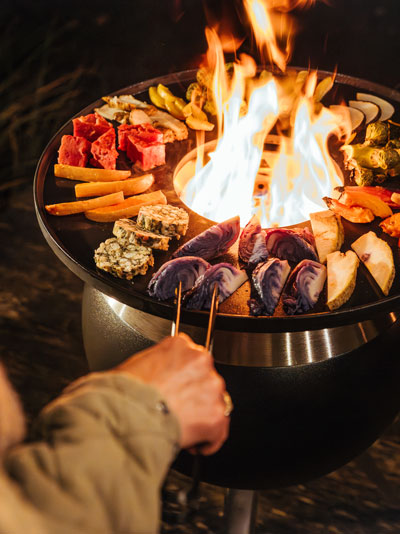
Low-smoke barbecue pleasure
Food is cooked gently and without smoke because the food is not directly over the flame and the notorious grease fire is avoided. It is even possible to pour marinades over the food without any problem, as they remain on the plancha and do not drip into the fire.
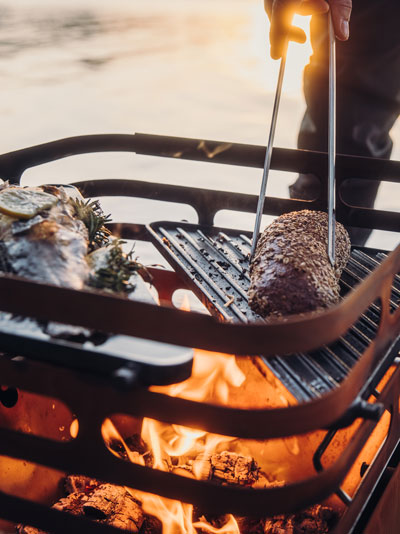
Full flavour
As the food cooks in its own steam, all the flavours are retained and can develop their own unique taste.
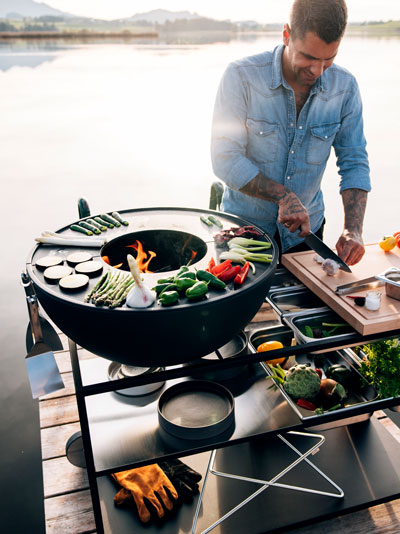
Room for everything
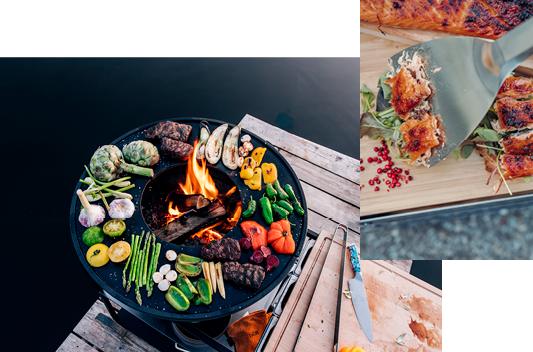
Thanks to the continuous grill surface, the plancha offers enough space for a wide range of foods, and even more delicate dishes can be prepared over the flames without the need for additional skewers or grill trays. Recipes such as scrambled eggs or Kaiserschmarrn are also possible - there are no limits to your creativity.
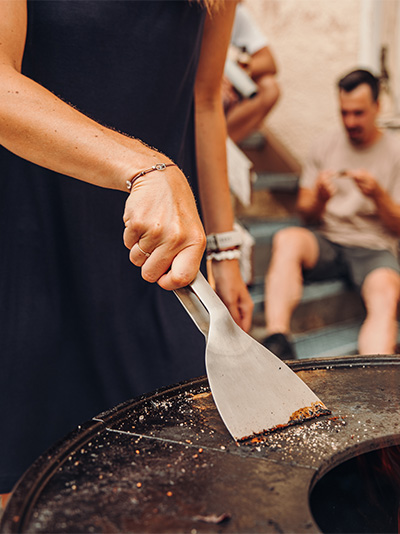
Easy cleaning
You don't need to worry about scrubbing the grill, because the plancha can be cleaned quickly and easily. You can look forward to your next grilling session twice as much!

Do I need a special plancha barbecue?
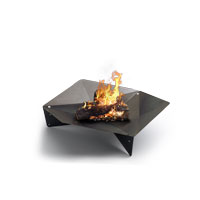
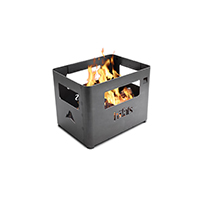
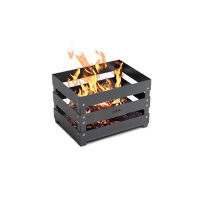
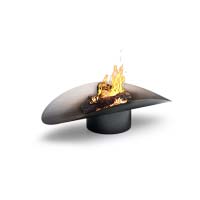
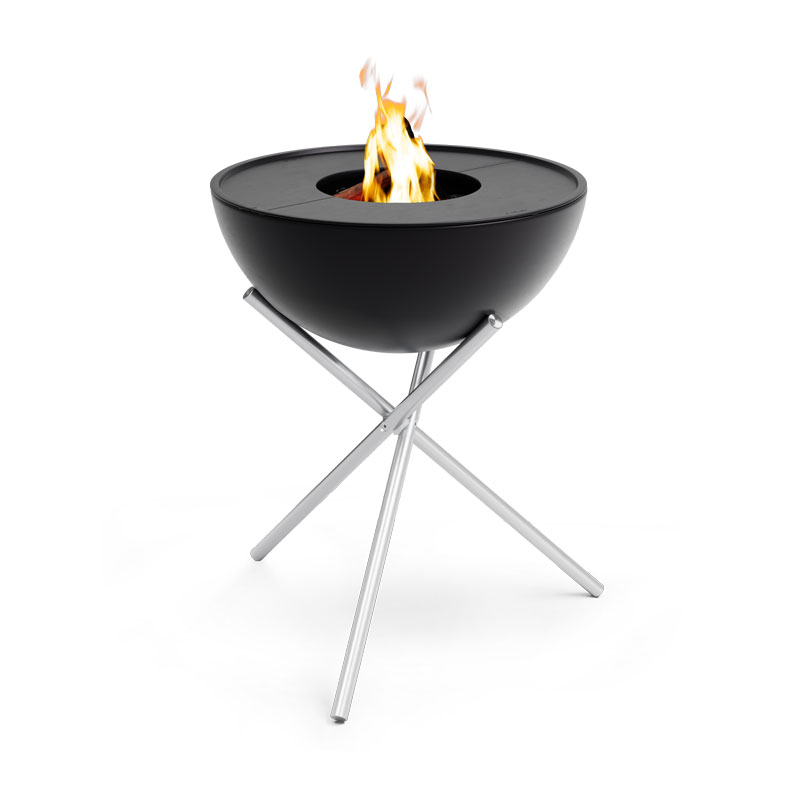
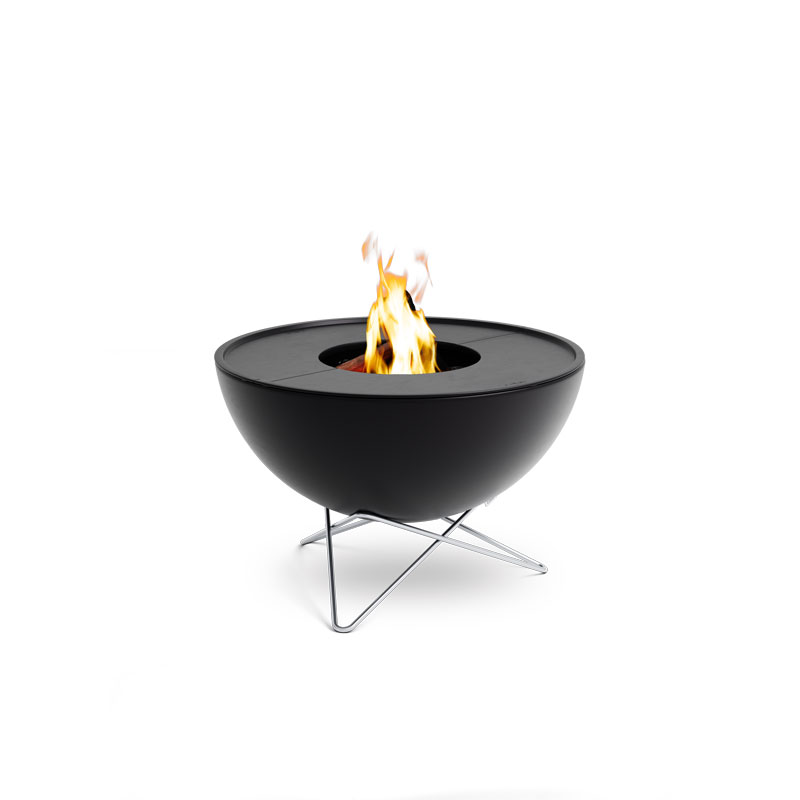
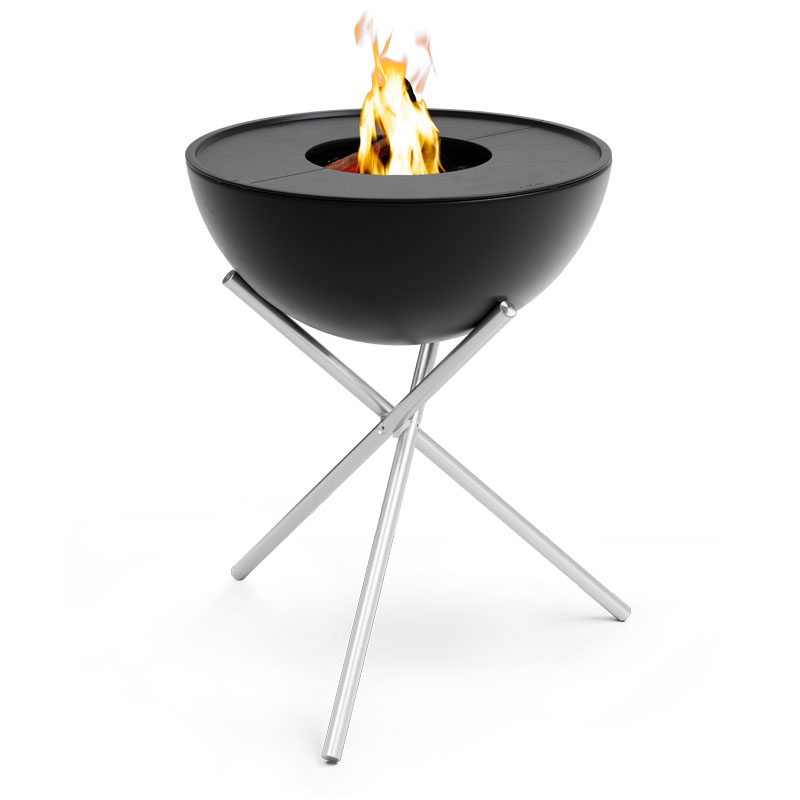
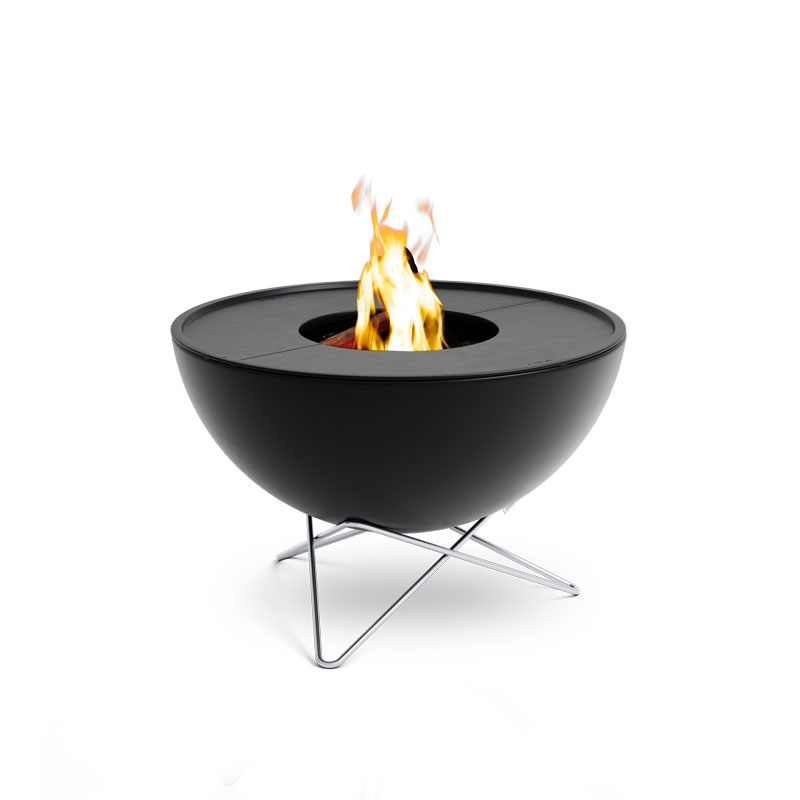
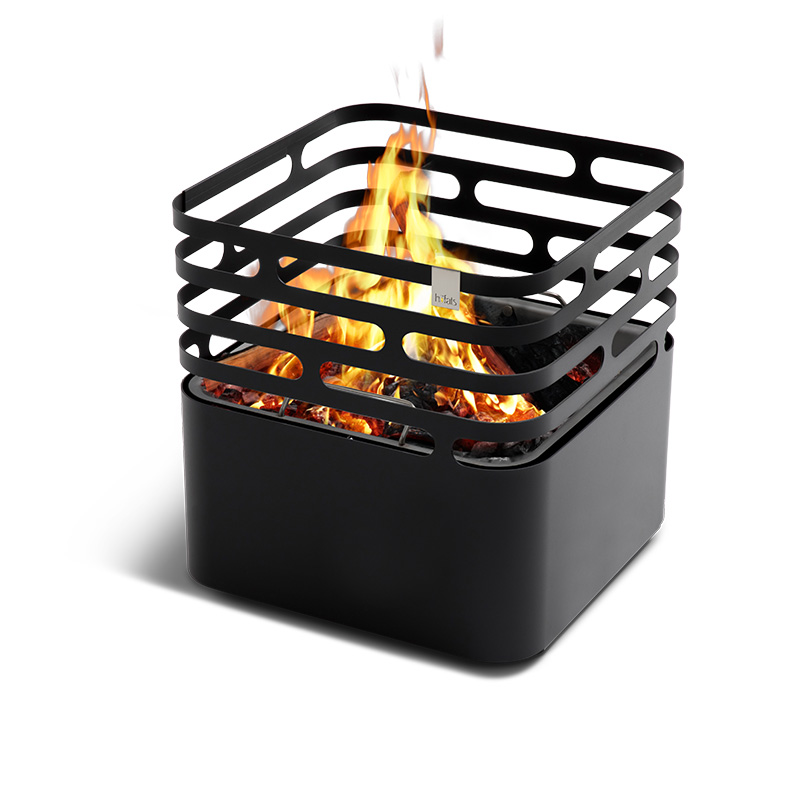
There's nothing like grilling over an open fire! Höfats has a range of fire bowls with a plancha grill option to suit all tastes. Simply light the fire and place the cast iron plate on the fire bowl. These are robust, retain heat longer than stainless steel versions and offer very good heat distribution. Enamelled planchas also have the advantage that they do not have to be burnt in first. After just a few minutes, the cast iron plate is well heated and ready to grill.
The wide range of culinary possibilities makes barbecuing a real experience. Whether in its own juice or with aromatic marinades, the raised edge of the plancha ensures that all sauces stay exactly where they belong. And when you are finished, the grill can be transformed back into a fire bowl in just a few simple steps, providing cosy warmth for the rest of the evening.
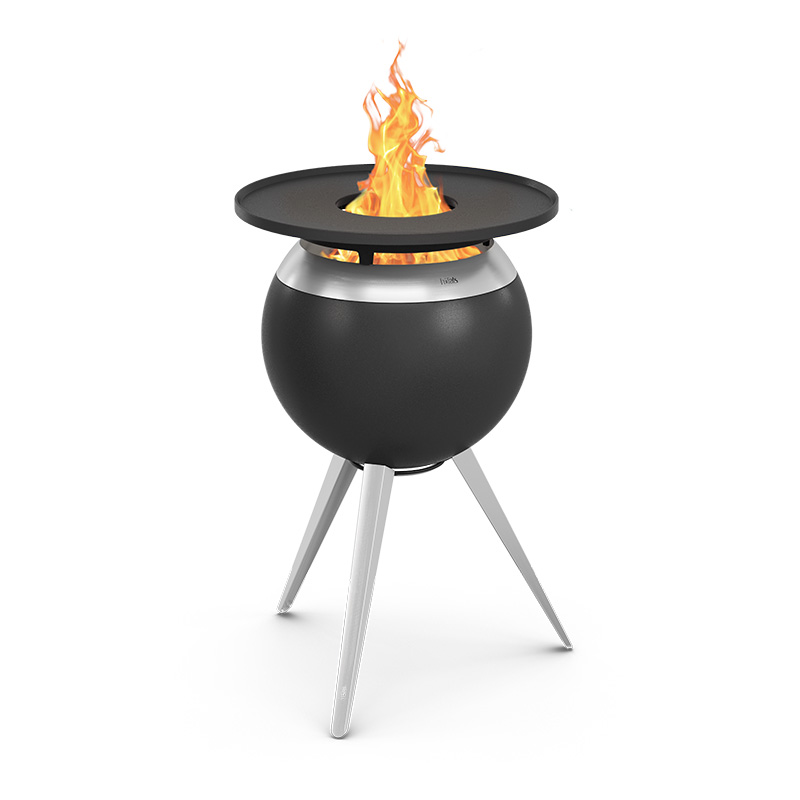
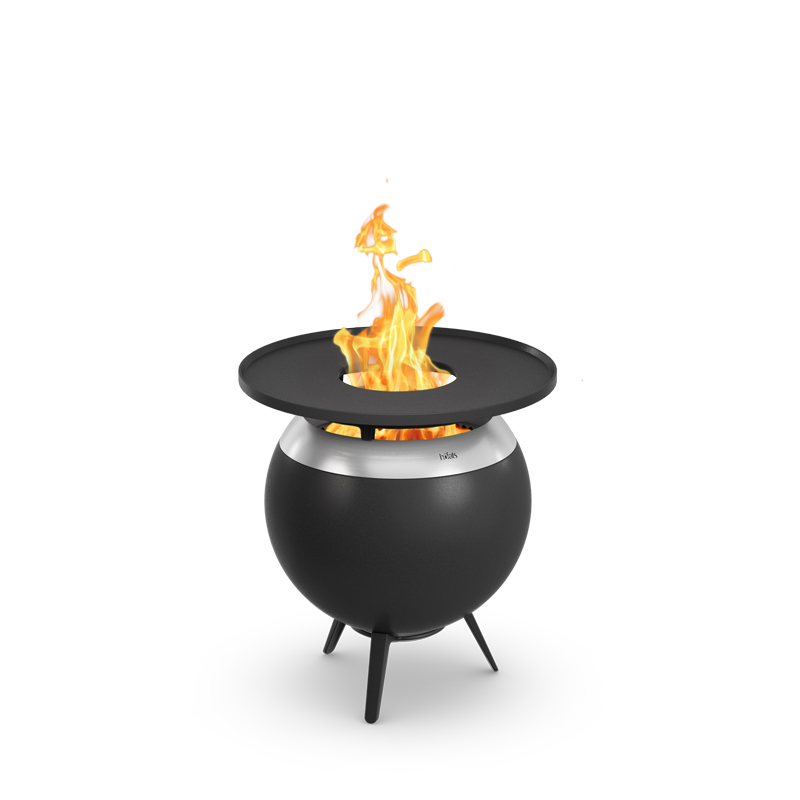
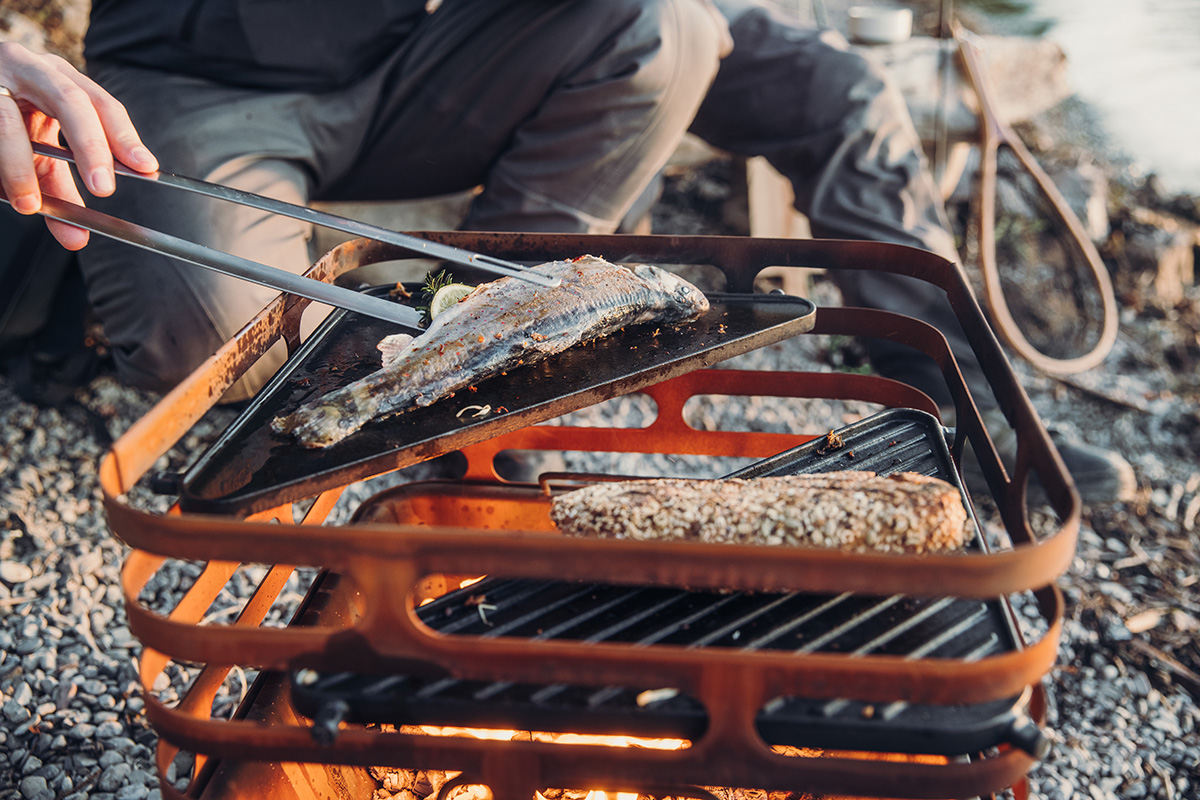
Tips for grilling on a plancha over a fire
- Preheat the plancha well before grilling: Light the fire and place the plancha plates over the flames. Leave for a few minutes to allow the cast iron plate to distribute the heat evenly over its entire surface.
- Use good quality oil: Make sure you use an oil that is suitable for high temperatures. Olive oil and butter are not heat resistant fats and are not recommended. We like to use classic rapeseed or sunflower oil, or sesame or peanut oil for a special flavour.
- Avoid overloading: Do not put too much food on the plancha to ensure that all the ingredients are cooked evenly. Turn the food regularly so that it feels the heat from all sides.
- Choose the right temperature: The plancha distributes the heat evenly, but the temperature is higher in the centre than at the edges. Therefore, place tender foods such as vegetables and fish closer to the edges, while meat in the centre gets a crispy crust.
- Clean regularly: Clean the plancha after each use to ensure long life and minimise the risk of food sticking to it.
What can I grill on the plancha?
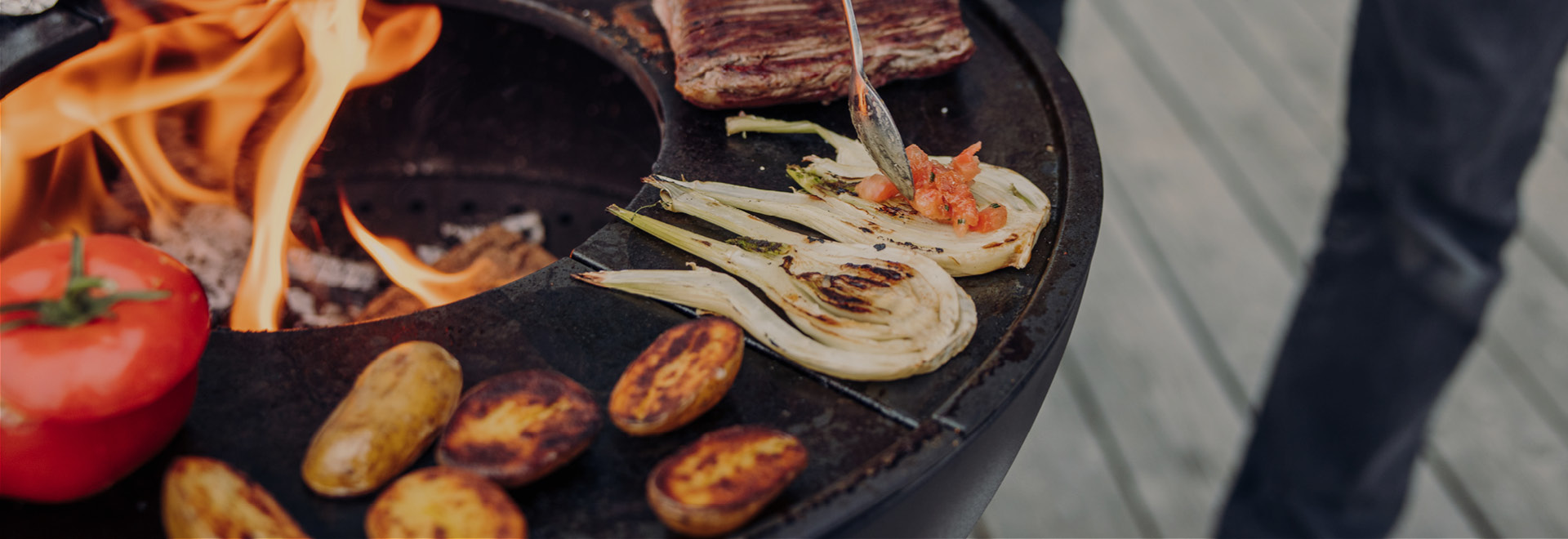
You will quickly discover that there are no limits to what you can grill on the plancha. As well as the classic steak, the closed surface provides space for tender grilled foods such as fish, scampi or seafood. Mushrooms, courgettes, aubergines and other vegetables, as well as fruit, can take on new flavours on the hot plate. Like your burger with a fried egg? With the right tools, you can perform real feats over the flames.
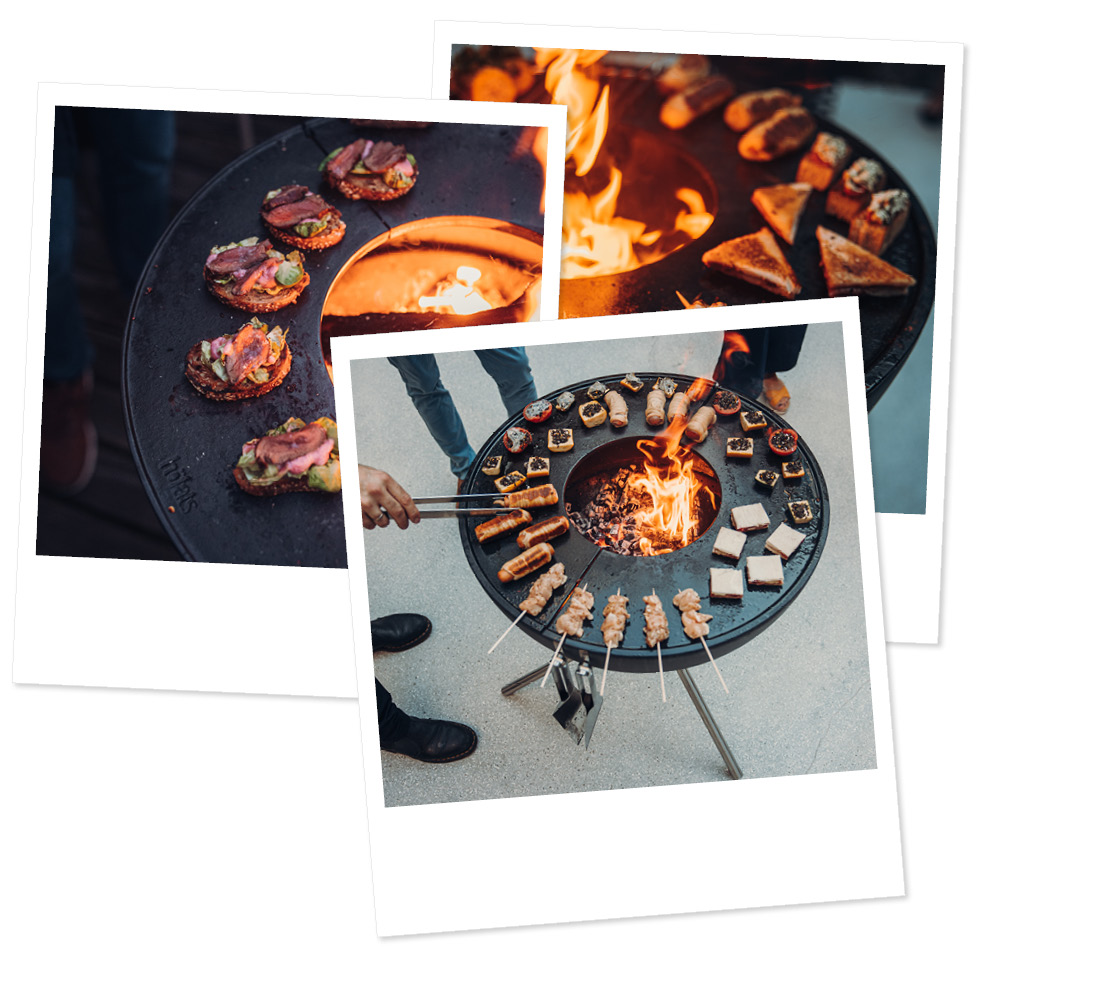
The plancha scores points for versatility and invites you to eat your way through a whole range of delicacies. Getting hungry? Let our recipe ideas inspire you:
RECIPES FOR PLANCHA & GRILL GRID
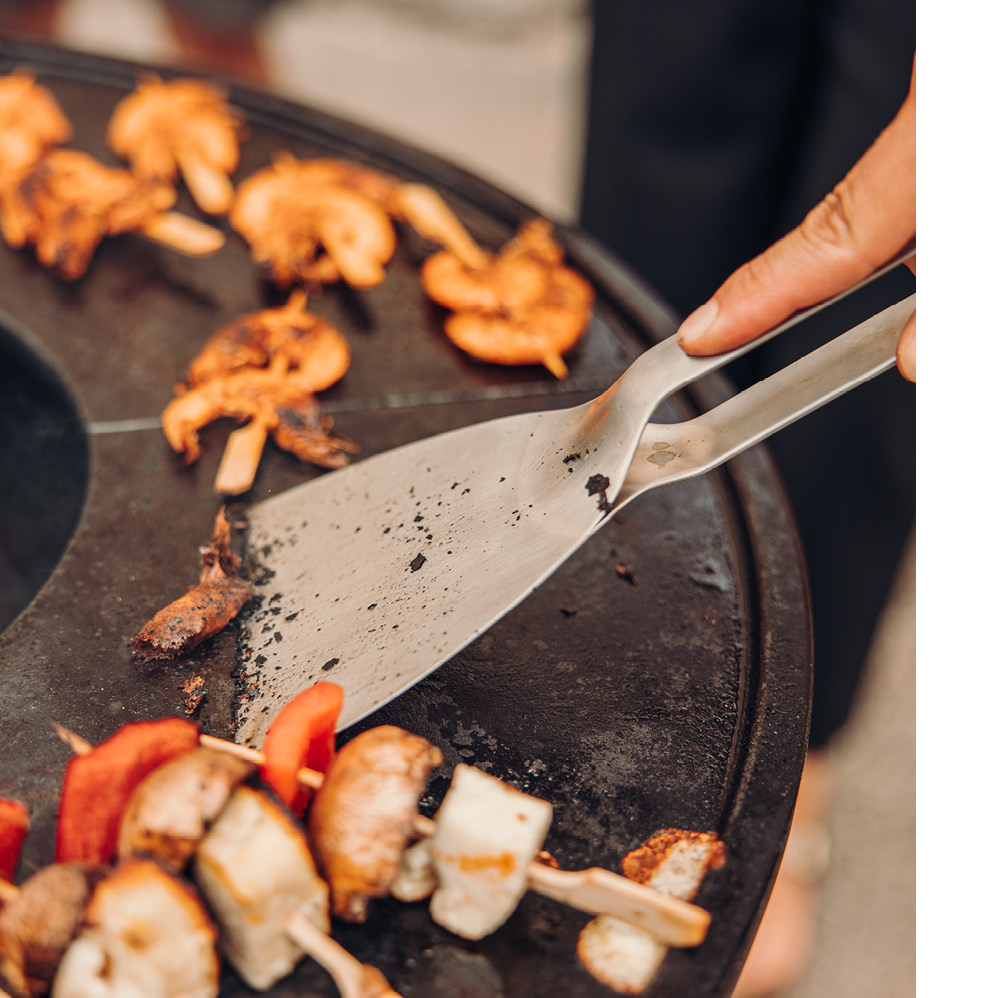
How do I clean the plancha?
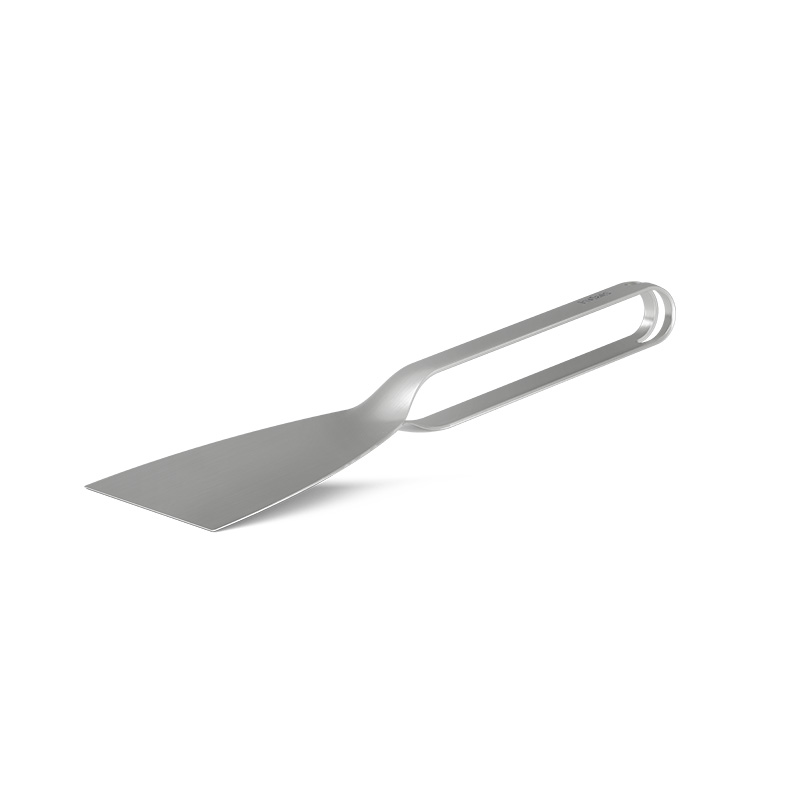
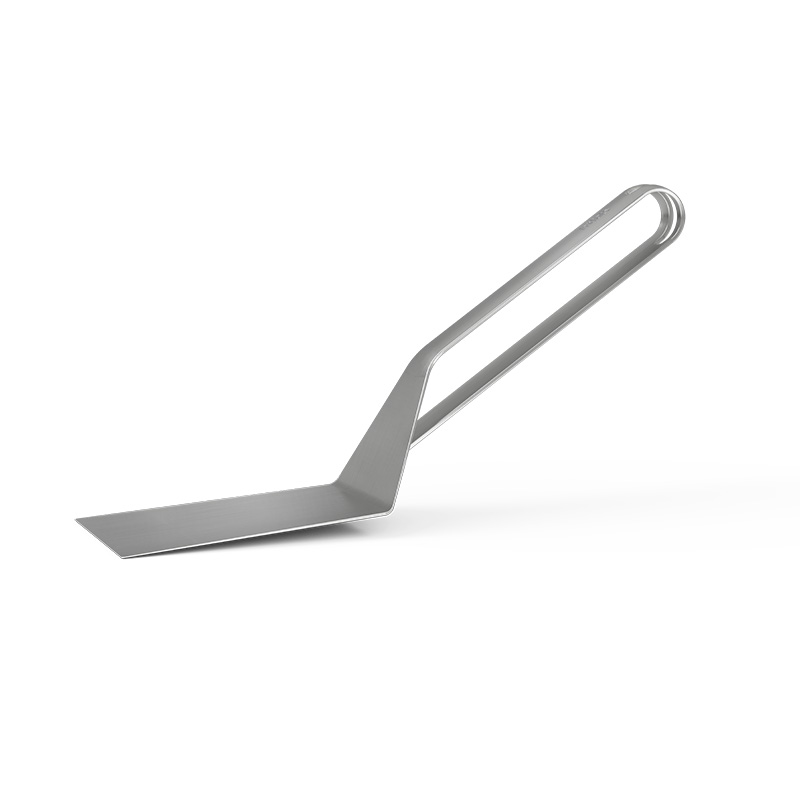
The plancha saves one big advantage for last, because cleaning the grill plate is as easy as can be. Use a scraper with rounded corners to remove coarse food particles while the plate is still hot. Rinse the cooled plancha with clean water (the use of detergents or oven cleaners is optional) and then rub it with heat-resistant oil. This will protect it from rust and make it ready for its next use over the fire.
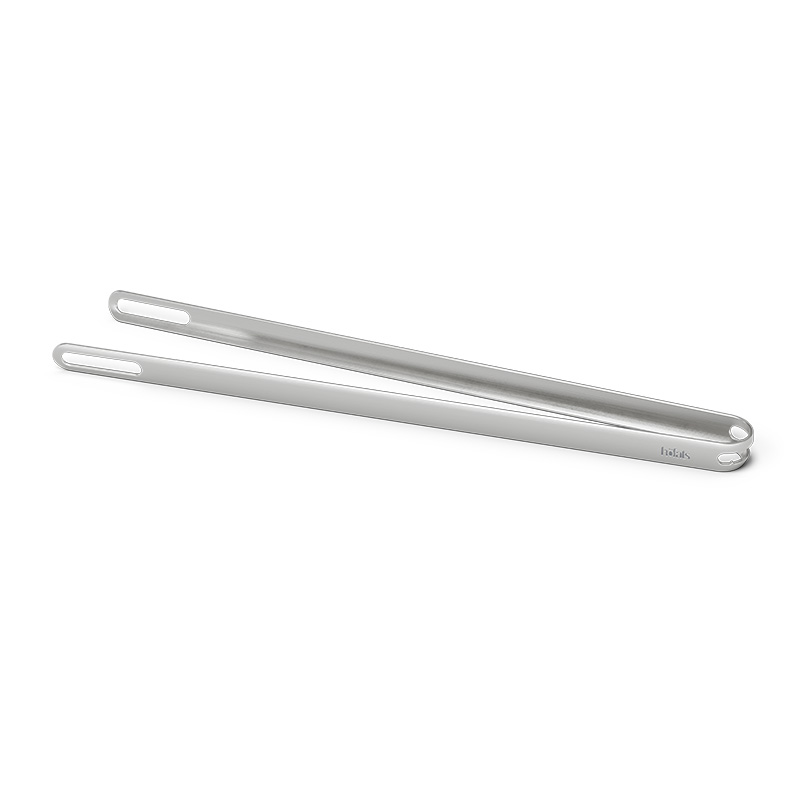
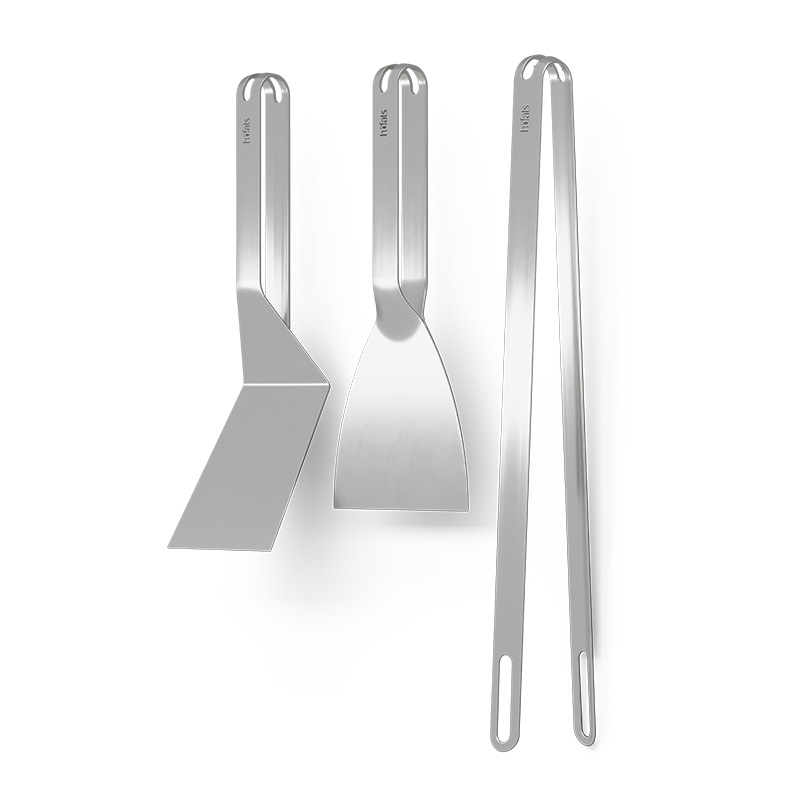
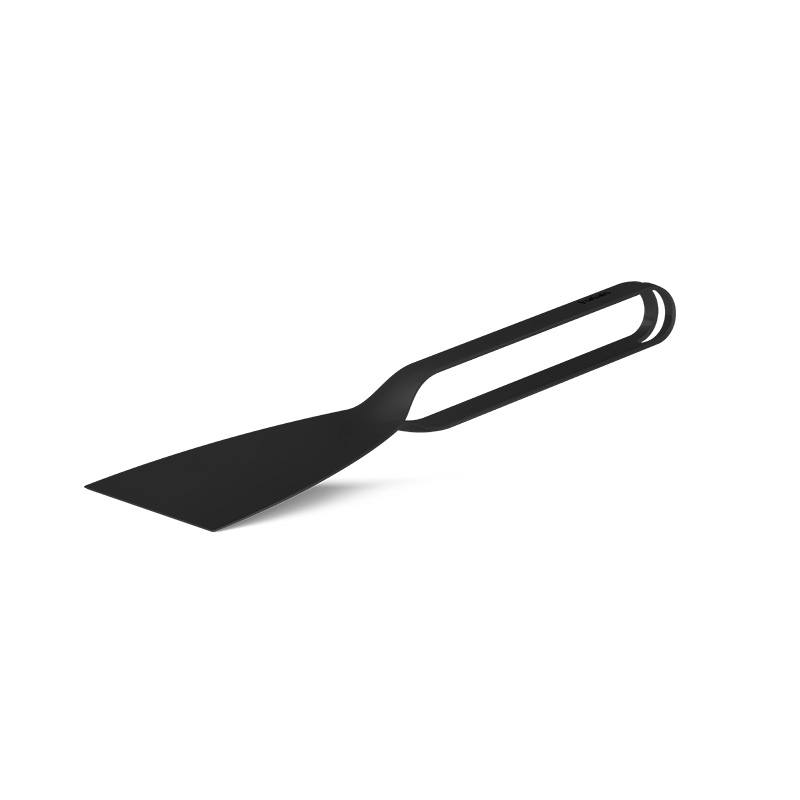
BBQ Tools
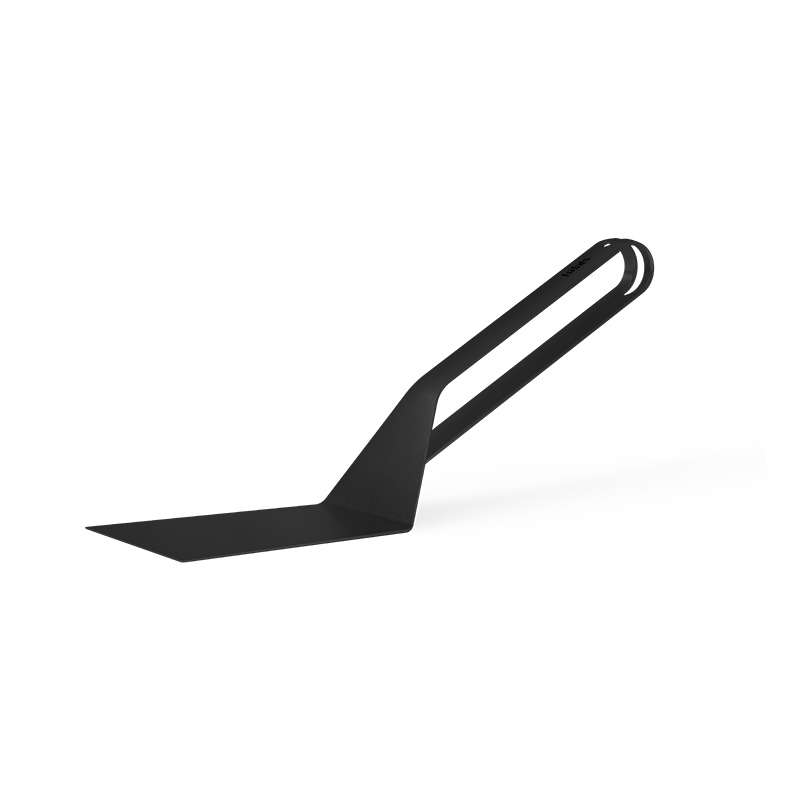
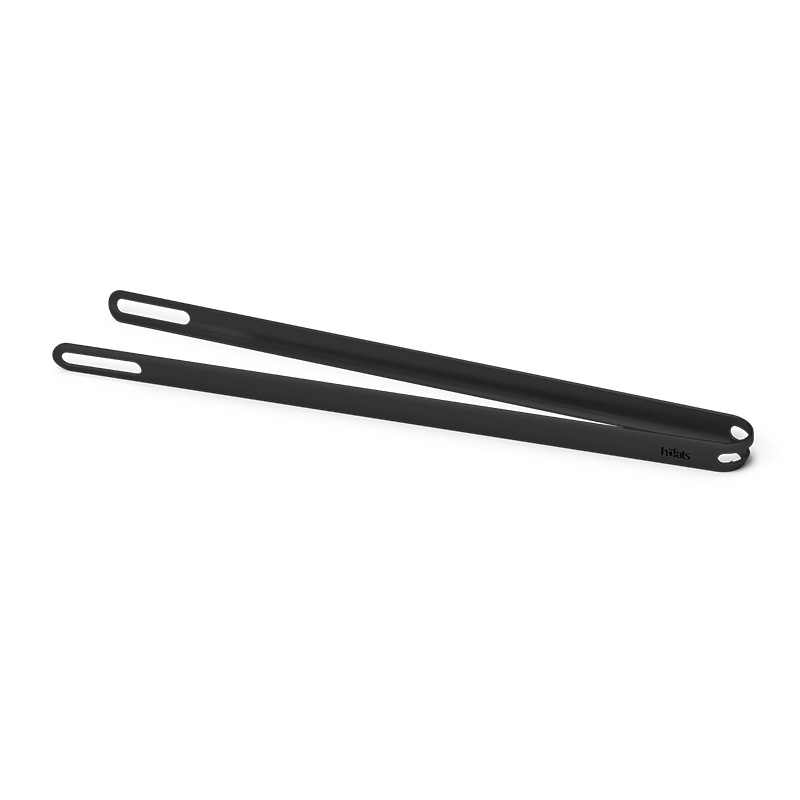
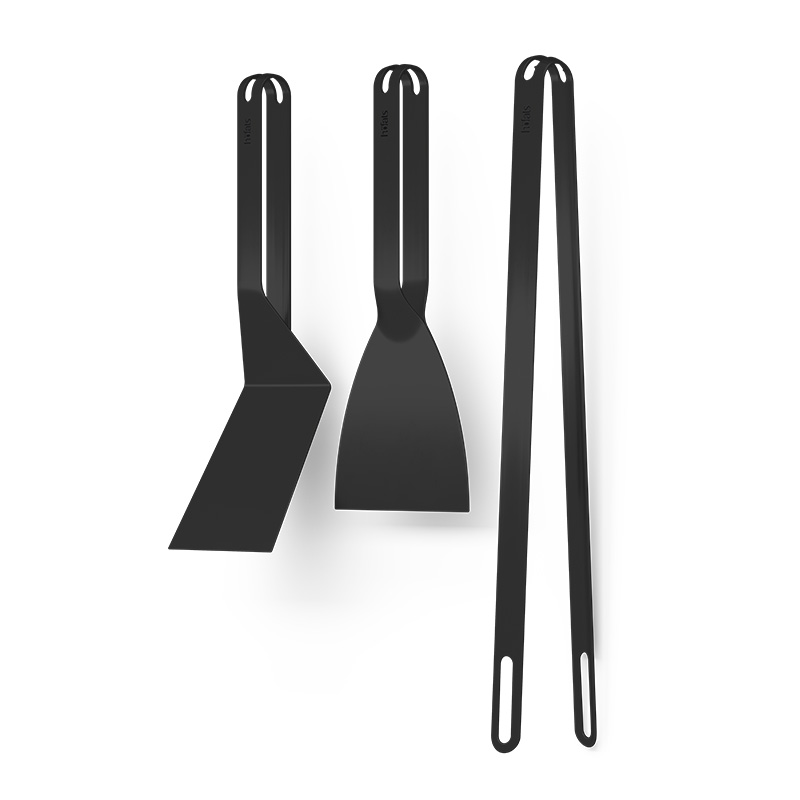
Our conclusion: tradition meets innovation
Grilling on a plancha has a long tradition in Spain and South America. Here, too, this simple and healthy method of barbecuing is adding to the fun of barbecuing and to our range of options. A few fresh ingredients, hungry guests, sunshine and a plancha: that's all you need for a successful barbecue that feels like a little holiday in the south.
Give it a try, bring that Mediterranean feeling to your barbecue and share your favourite recipes with us using #hofats.
FAQ
Which oil is best for grilling on the plancha?
For plancha grilling, a heat-resistant oil is essential to prevent sticking and ensure easy turning. Rapeseed oil, sesame oil, and peanut oil have proven effective – all offer high heat stability and unique flavors. Wagyū fat or special non-stick sprays are also ideal. Important: apply only a thin layer!
What is a patina on the plancha?
The patina is a natural, seasoned protective layer that builds up with regular use. It forms from burnt-in oils and fats, protects against rust, and improves the non-stick effect over time. In short: the more you grill, the better your plancha gets!
Can I combine the plancha with a grill grate?
Yes – for maximum flexibility, the plancha can be perfectly combined with a grill grate. You can, for example, pre-cook on the plancha and finish on the grate – ideal for creating different heat zones.
Important: To use the Sear Grate, you’ll need two planchas, as it sits across both sides.
How do I grill properly on the plancha?
Proper preparation is key: the grill plate must be fully preheated before placing any food on it. A thin layer of heat-resistant oil – ideally applied with a brush – ensures the best results.
Only turn the food when it releases easily from the surface. That’s when searing flavors are fully developed, and the meat stays juicy.